How to price a renovation job in Malaysia (step by step)
Price a renovation too high and you lose the job; too low and you do the work for free. Most contractors learn pricing the hard way — by getting burned on a job that ran over. A simple, repeatable method takes the guesswork out and protects your margin. Here's how to build a price from the ground up.
Step 1 — Measure and scope the work
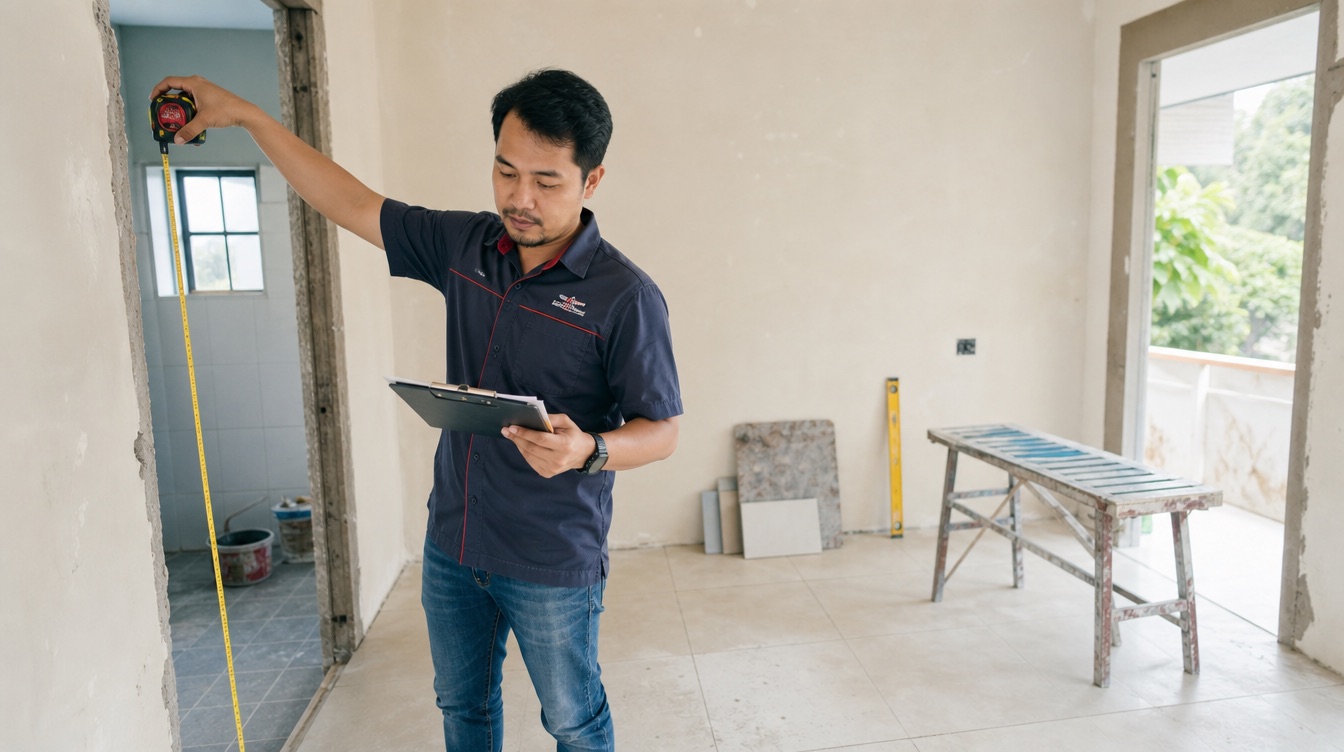
Walk the site and write down exactly what's involved. Measure areas (floor and wall in sqft), count points (electrical, plumbing) and note anything awkward — old tiles to hack off, walls to move, access issues. The clearer your scope, the fewer surprises later. Vague scope is where money leaks.

Step 2 — Cost the materials
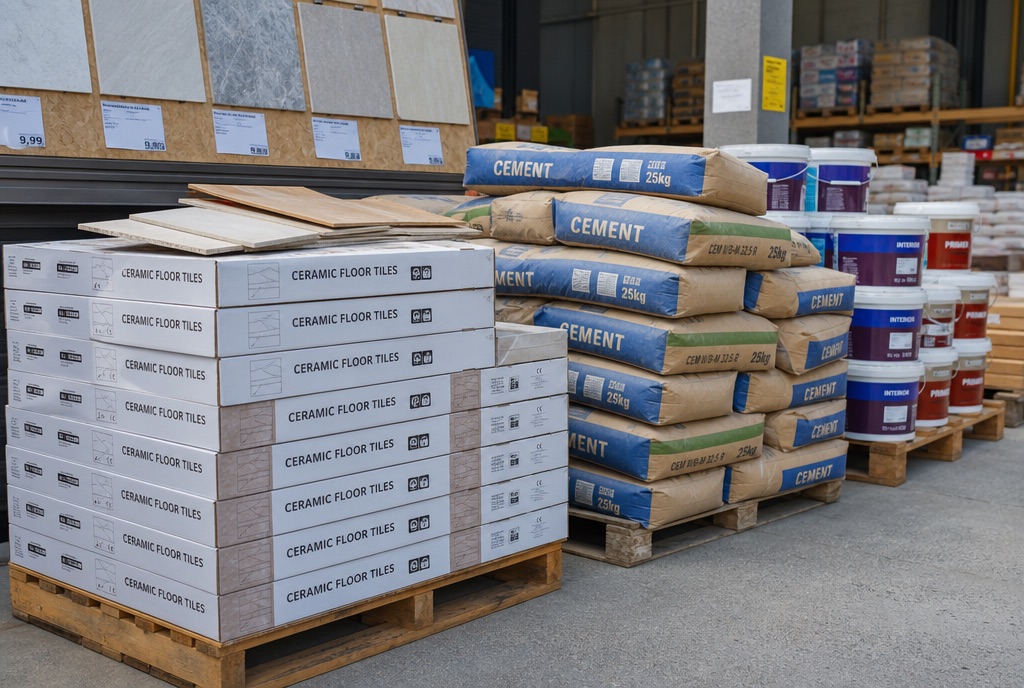
For each part of the job, work out the materials needed and price them from your supplier. Tiles, cement, sand, paint, wiring, fittings — add a sensible allowance for wastage (offcuts and breakage are real). Build this as a list so you can adjust quantities quickly if the client changes their mind.
Step 3 — Estimate the labour
Estimate how many man-days each task takes, then multiply by your daily rates. If tiling the kitchen takes two workers three days at RM150/day, that's 6 man-days × RM150 = RM900 in labour for that task. Be honest about pace — rushing the estimate is how jobs lose money.
Step 4 — Add overhead and profit
Your price has to cover more than direct cost. Add overhead — transport, fuel, tool wear, your time managing the job — then a profit margin on top so the business actually grows. A job priced at exactly cost keeps you busy but broke. We dig into healthy margins in our guide to construction profit margin.

Step 5 — Add SST if it applies, then present a clear quote
If you're registered and the service is taxable, add service tax as its own line (see our SST guide). Then present everything as an itemised quotation — not a single lump sum. Itemising shows the client what they're paying for and makes your price easy to defend. Our guide to writing a construction quotation shows the format.
A quick example
- Materials: RM3,000
- Labour (man-days): RM2,000
- Overhead (≈15%): RM750
- Profit margin (≈20%): RM1,150
- Price before tax: RM6,900
Now you have a price built on real numbers — not a gut feeling — and you can stand behind it.
How MORTAR helps
MORTAR lets you build the quote line by line with quantity, unit and price, doing the maths to the sen and adding SST when you need it. Once the job is on, you log expenses and worker attendance against the project, so you can compare what you quoted against what it actually cost — and price the next job even better.
Want to price jobs with confidence and see your real margin? Join the MORTAR early list.