Site photos that protect you: documenting work to avoid disputes
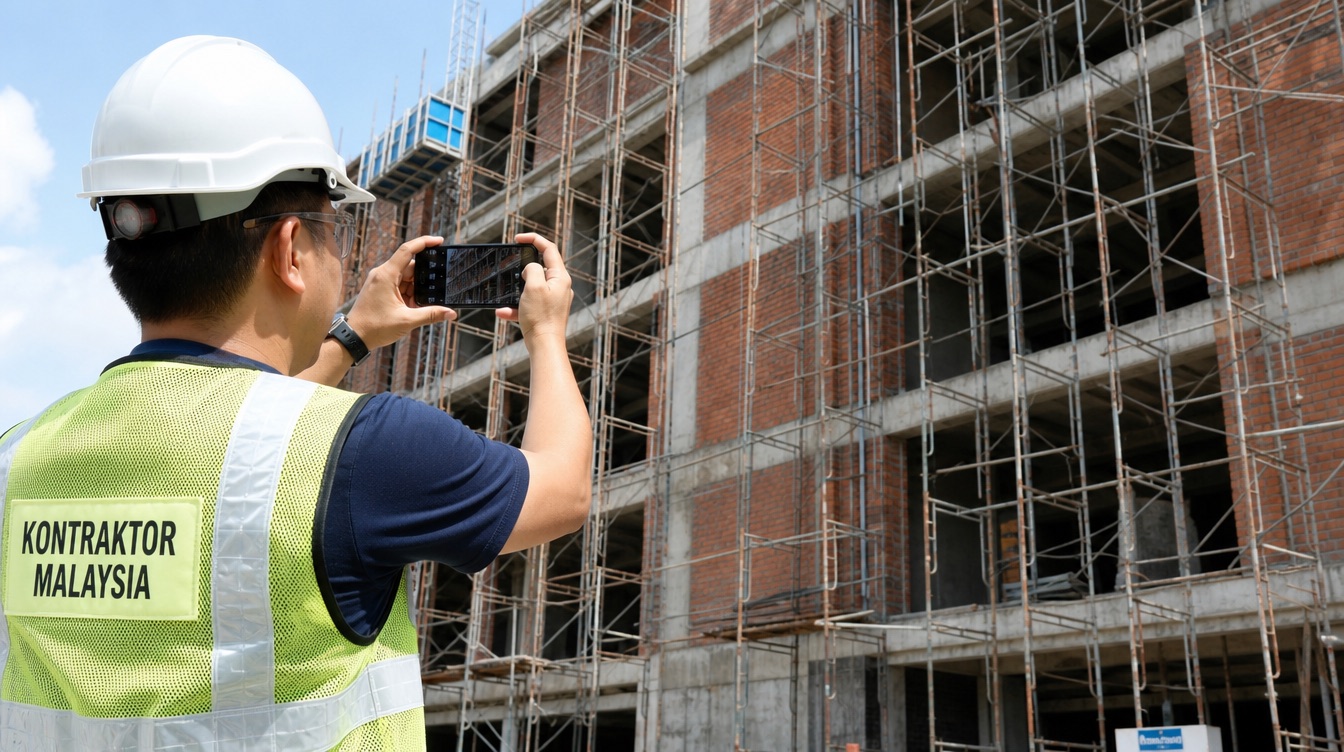
"That crack was already there." "You never did the waterproofing." "The work doesn't match what we agreed." Every contractor has heard a version of these — and without proof, it's your word against the client's. A simple habit of photographing the work as you go turns those arguments into a non-event. Photos are cheap; disputes are expensive.
Why photo proof matters
- It settles disputes. A dated photo of the finished work ends most disagreements instantly.
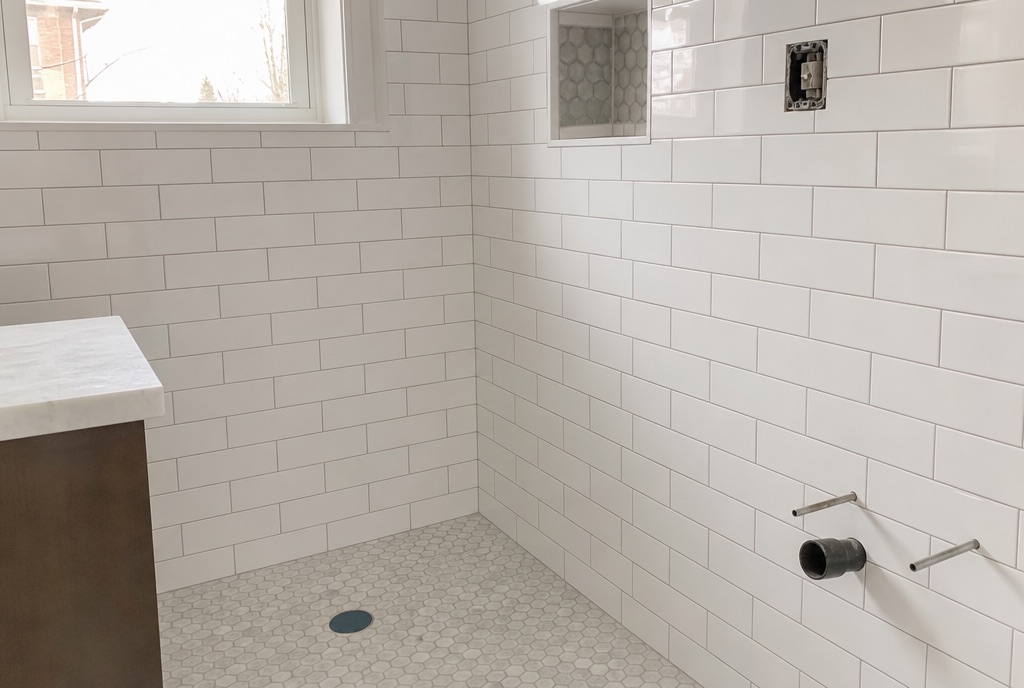
- It proves hidden work. Once you tile over waterproofing or plaster over wiring, no one can see it — unless you photographed it first.
- It evidences progress. Photos back up your progress claims and show the client what they're paying for.
- It builds trust. A client who gets regular progress photos feels informed and stays calm.
What to photograph — and when
Build a routine so you don't have to think about it:
- Before — the existing condition, including any damage that was already there.
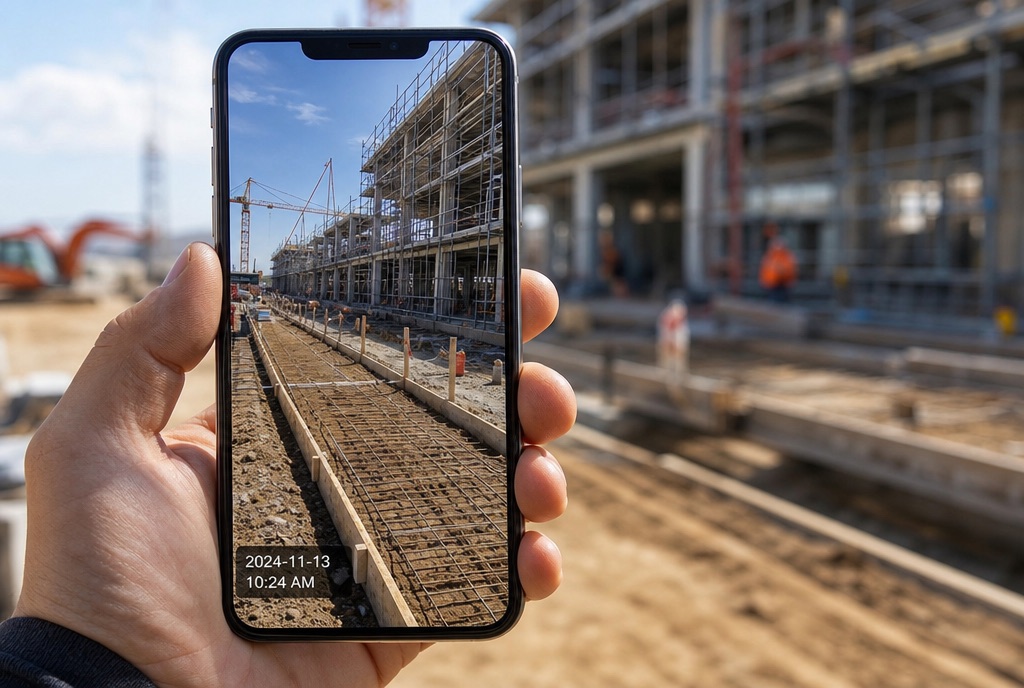
- During — hidden works before they're covered: waterproofing, wiring, pipework, structural fixings.
- After — the completed work, clean and clear.
- Anything unusual — site obstructions, client-supplied materials, defects you've flagged.
Make the photos count
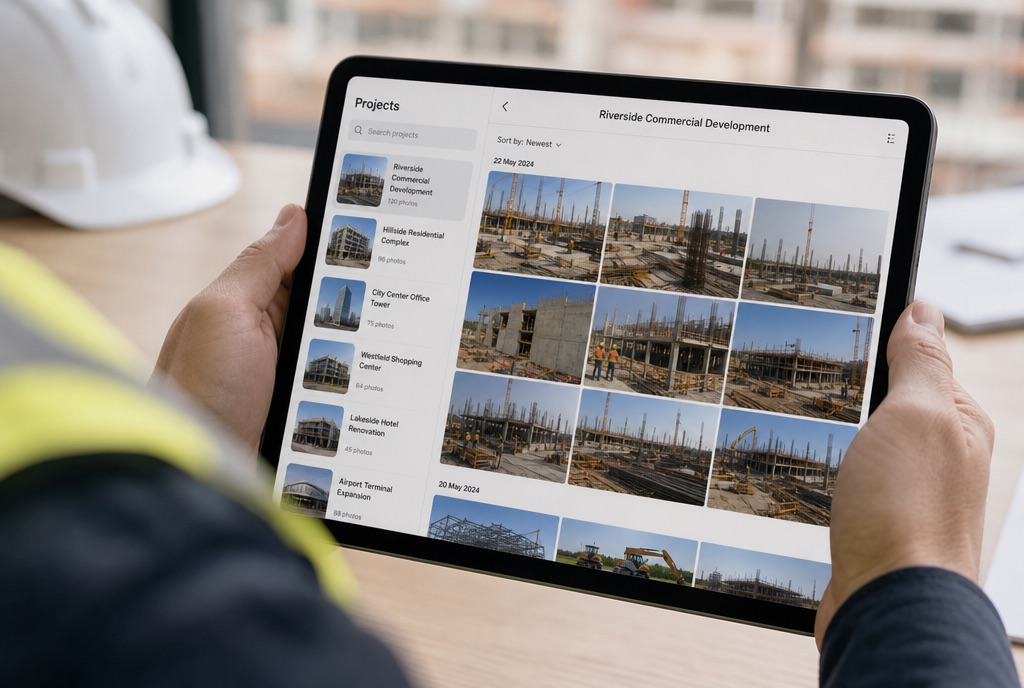
A photo with no date and no context is weak evidence. Two things make it strong: a timestamp showing when it was taken, and keeping the photos organised by project so you can actually find the right one months later when a query comes in. A folder of 2,000 unsorted phone photos helps no one.
How MORTAR helps
MORTAR's camera stamps each site photo with your company name, the project and the date and time, then files it in that project's gallery automatically. It works offline — snap on site with no signal and it syncs when you're back in coverage — so the record builds itself as you work. When a dispute looms, the proof is already there, sorted and dated.
Want a timestamped photo record for every job, built as you work? Join the MORTAR early list.